Showing posts with label geometer moth. Show all posts

Saturday, May 7, 2011

The Infant

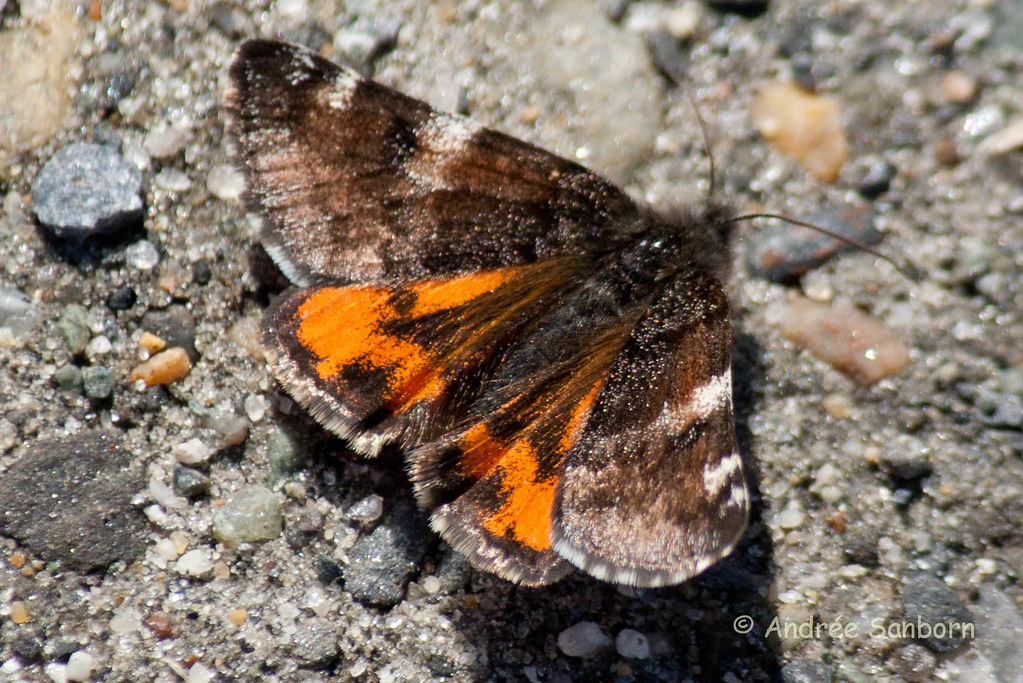
The Infant (Archiearis infans) (12 of 12).jpg
Archiearis infans

This beautiful creature is a moth. And another geometer! Besides being called The Infant, it is also called the First-born Geometer. I was so sure it was a butterfly that I could add to my life list of butterfly photographs — I never saw the fuzzy antennae that moths, and not butterflies, have. But it's another notch on my geometer moth list!

The common names refer "to the adult's early emergence from a pupa in the spring." This is the only species in this genus in North America. That's cool!


_/\_/\_

Thursday, December 23, 2010

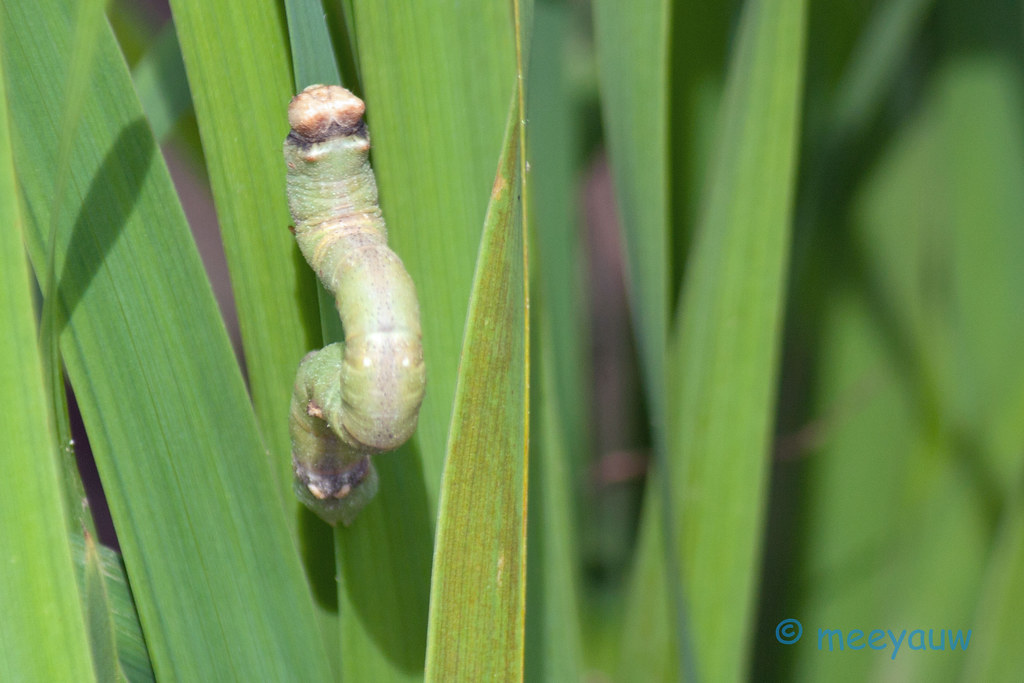
Geometer Moth Larva

geometer moth larva  03.jpg

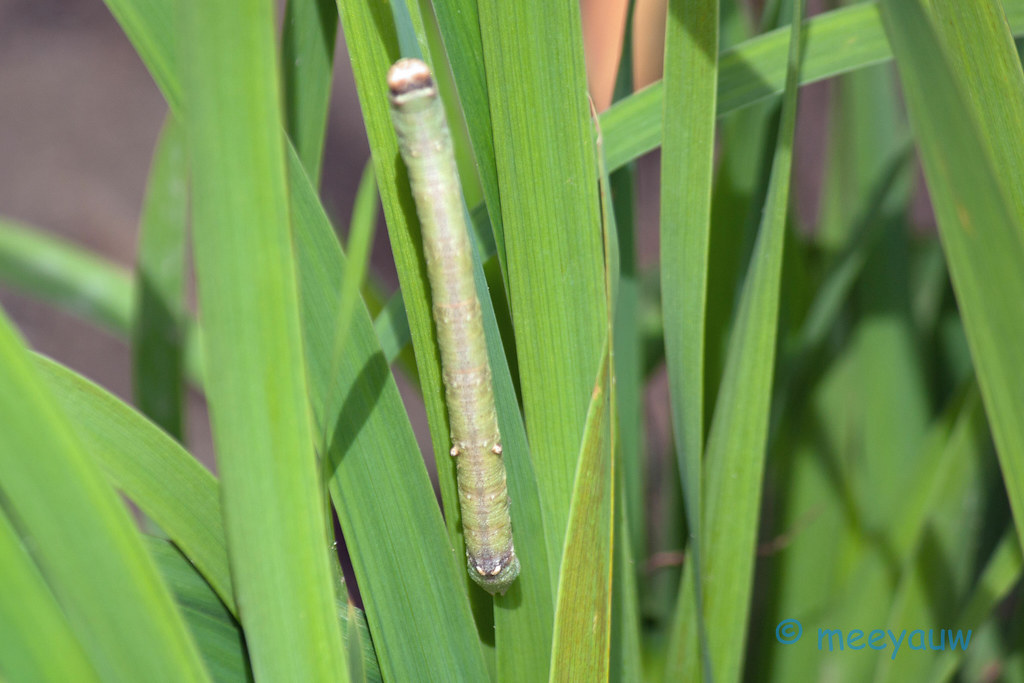
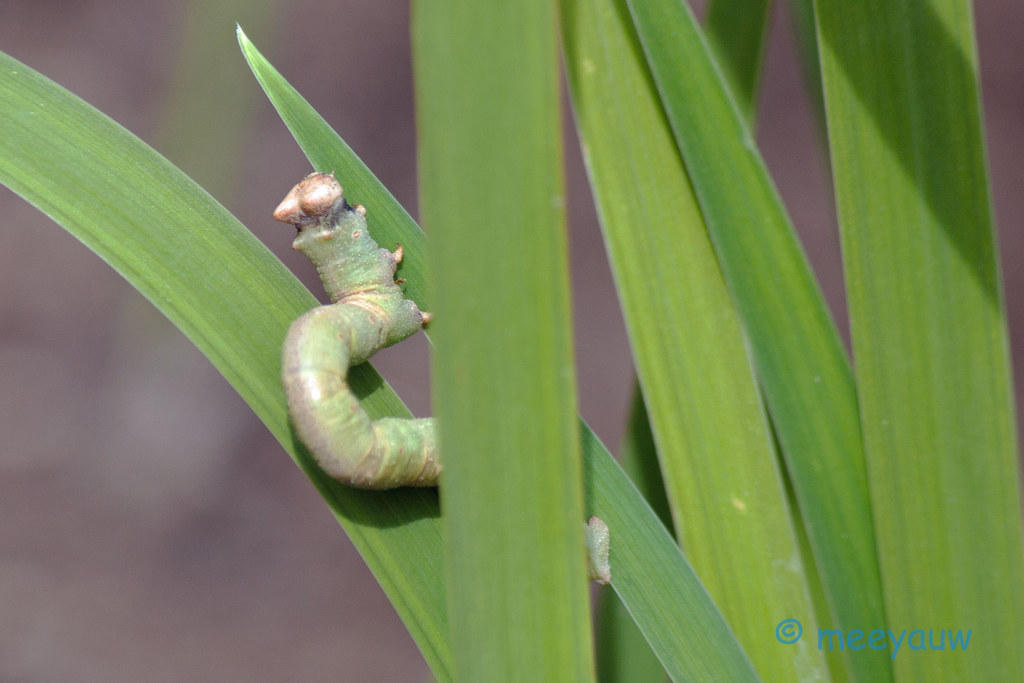
Geometer moths (click here for my images) are a large family of moths. They are called geometer moths because their larva were said, by ancient people, to be measuring the earth with their looping, inchworm like movements. There are more than 1,600 species of geometer moths in North America alone. So while I know this is a geometer larva, I don't know which one. This one was on the leaves of our day lilies in August.

geometer moth larva  05.jpg

Other common names for geometer larvae are measuring worms, inchworms, loopers and spanworms.

geometer moth larva  07.jpg


_/\_/\_

Saturday, November 13, 2010

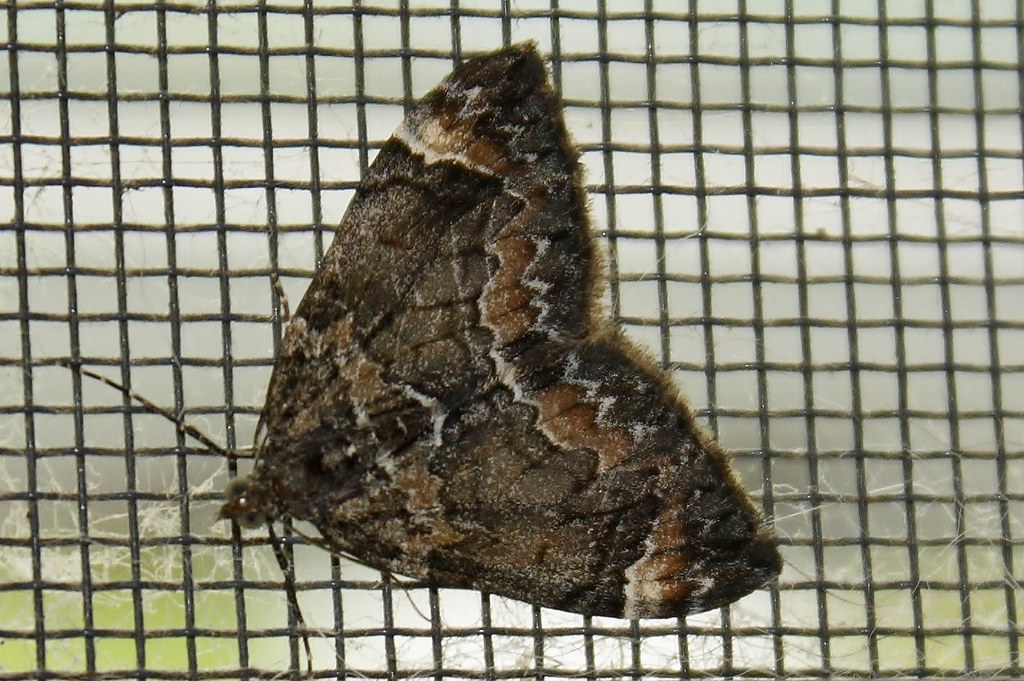
A Dark Marbled Carpet Geometer Moth

Dark Marbled Carpet Geometer Moth (3)

Dysstroma citrata

I have searched the entire Internet and cannot find a photograph of the caterpillar from which this moth evolves. But I do know it is a geometer moth. They have unique body shapes, like you see here. This is also called a northern marbled carpet moth. Click here for more info.


_/\_/\_

Tuesday, November 2, 2010

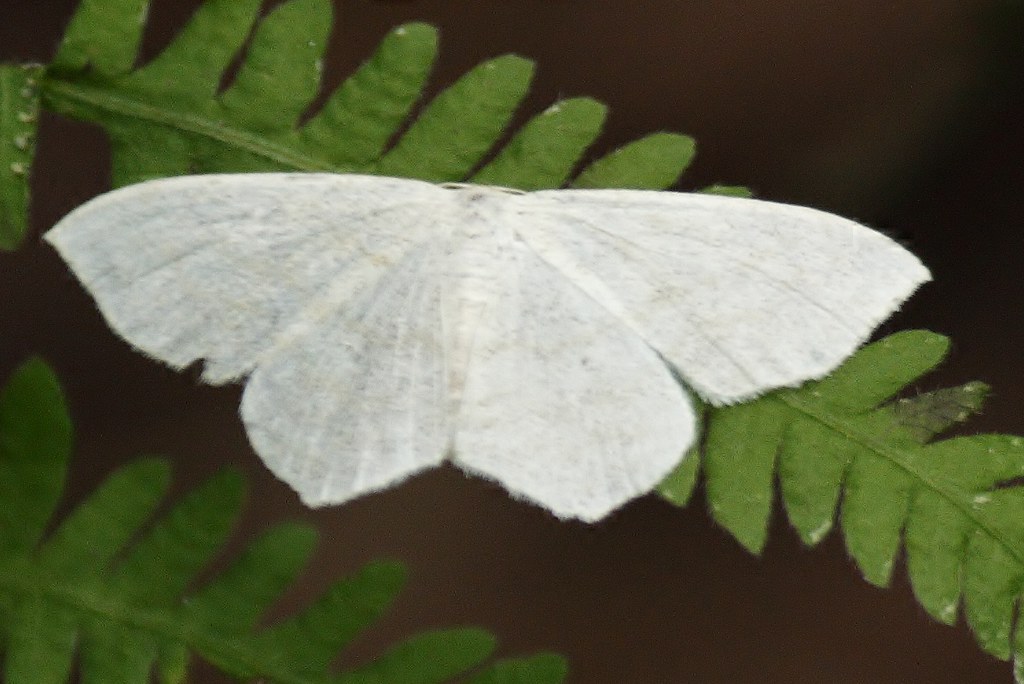
White Geometer

White geometridae moth (4)

Family Geometridae

We don’t know which geometer moth this is. There are very faint lines running across all of the wings. Geometer moths come in many colors and are identified by their shape. I usually find geometer moths or sphinx moths here and in New Hampshire. Geometer moth larvae are called measuringworms, inchworms, loopers and spanworms. "Geometer" refers to the measuring way the larvae move — it looks like they are measuring things as they loop when they move. Looping describes the motion inchworms make of bringing their rear parts up to meet their front parts and then moving their front parts out forward.. Geometers are found all over the world.

We found this moth as we left the Willoughby Bog on July 31, 2010, in Westmore, Vermont.


Technorati Tags: ,

del.icio.us Tags: ,

_/\_/\_

Tuesday, July 27, 2010

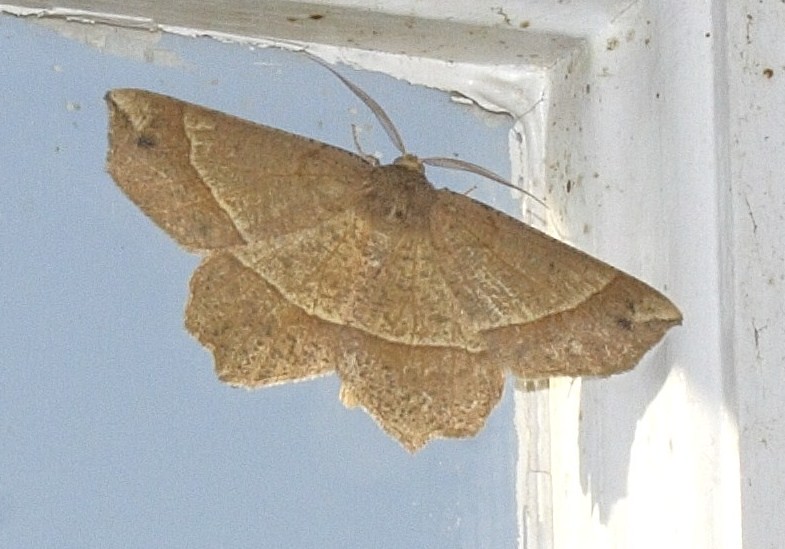
Curved-toothed Geometer Moth

Eutrapela clemataria

These lovely geometer moths are usually brown with the  distinctive narrow brown bands horizontally across the wings. But I recently came across a black and white geometer moth that I blogged about here. This geometer moth above was on the garage window. Larvae feed on leaves of ash, basswood, birch, elm, fir, maple, poplar, willow, and other trees (source: http://bugguide.net/node/view/475). 


Technorati Tags:  
Del.icio.us Tags:  
Flickr Tags:
 
_/\_/\_

Saturday, July 3, 2010

PhotoHunt: Open

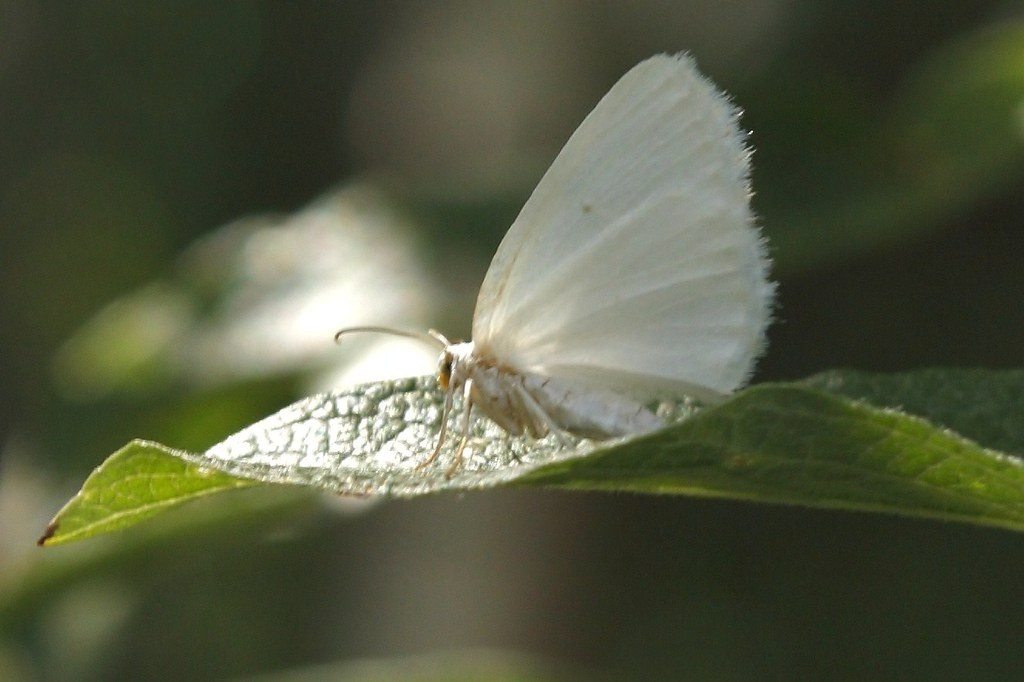
Unidentified white butterfly

UPDATE, July 28, 2010:
bugguide.net now identifies this as a geometer moth. I should have realized it was a moth.
But a geometer moth? I never would've known.

"Adults usually have slender bodies and relatively large, broad forewings, often crossed by thin wavy lines; females of some species are wingless or have flightless atrophied wings when at rest, many geometrid moths hold their wings away from the body and flat against the substrate (in contrast to most noctuid moths, which tend to fold their wings over their abdomen); some species/genera hold their wings in a characteristic position such as: flat & at right-angles to the body, or inclined 45 degrees above horizontal, or vertically over their back like a butterfly forewing cubitus vein appears 3-branched; hindwing subcostal vein bends abruptly downward at base.

Larvae generally have only two pairs of prolegs (at the hind end) rather than the usual five pairs in most lepidoptera; the lack of prolegs in the middle of the body necessitates the peculiar method of locomtion, drawing the hind end up to the thoracic legs to form a loop, and then extending the body forward"


Thank you for visiting!


_/\_/\_

Saturday, October 24, 2009

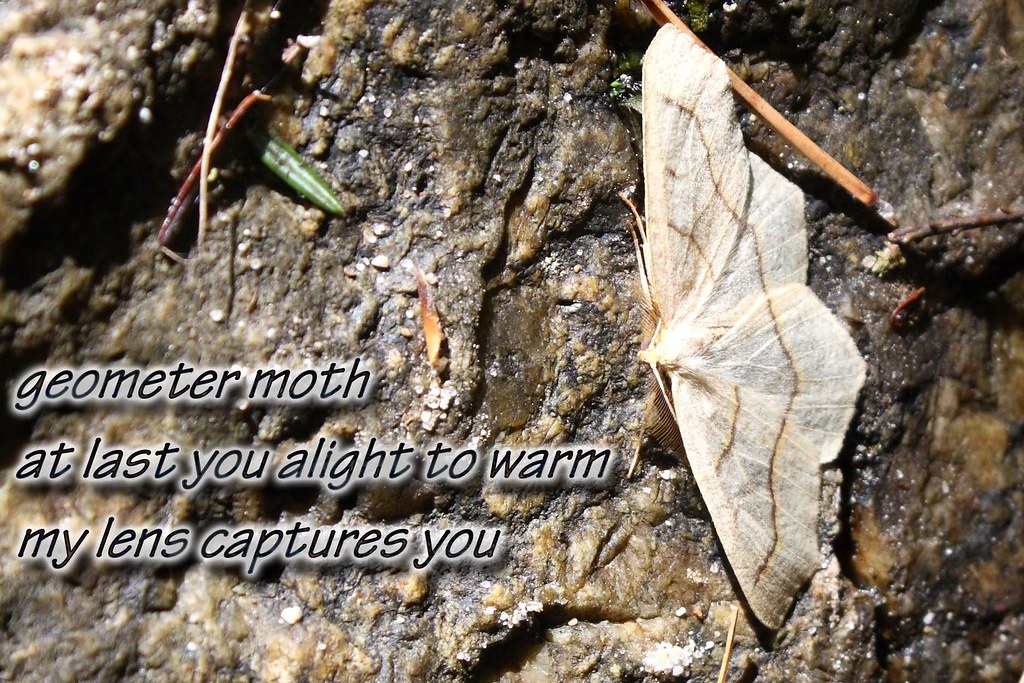
One Single Impression: Elusive

click on the photograph to view it full size in a new window

To read more poetry, click the graphic or
Thank you for visiting!

The John Hay Forest Ecology Trail Hike

Haiku
diigo it

_/\_/\_

LinkWithin

Related Posts with Thumbnails