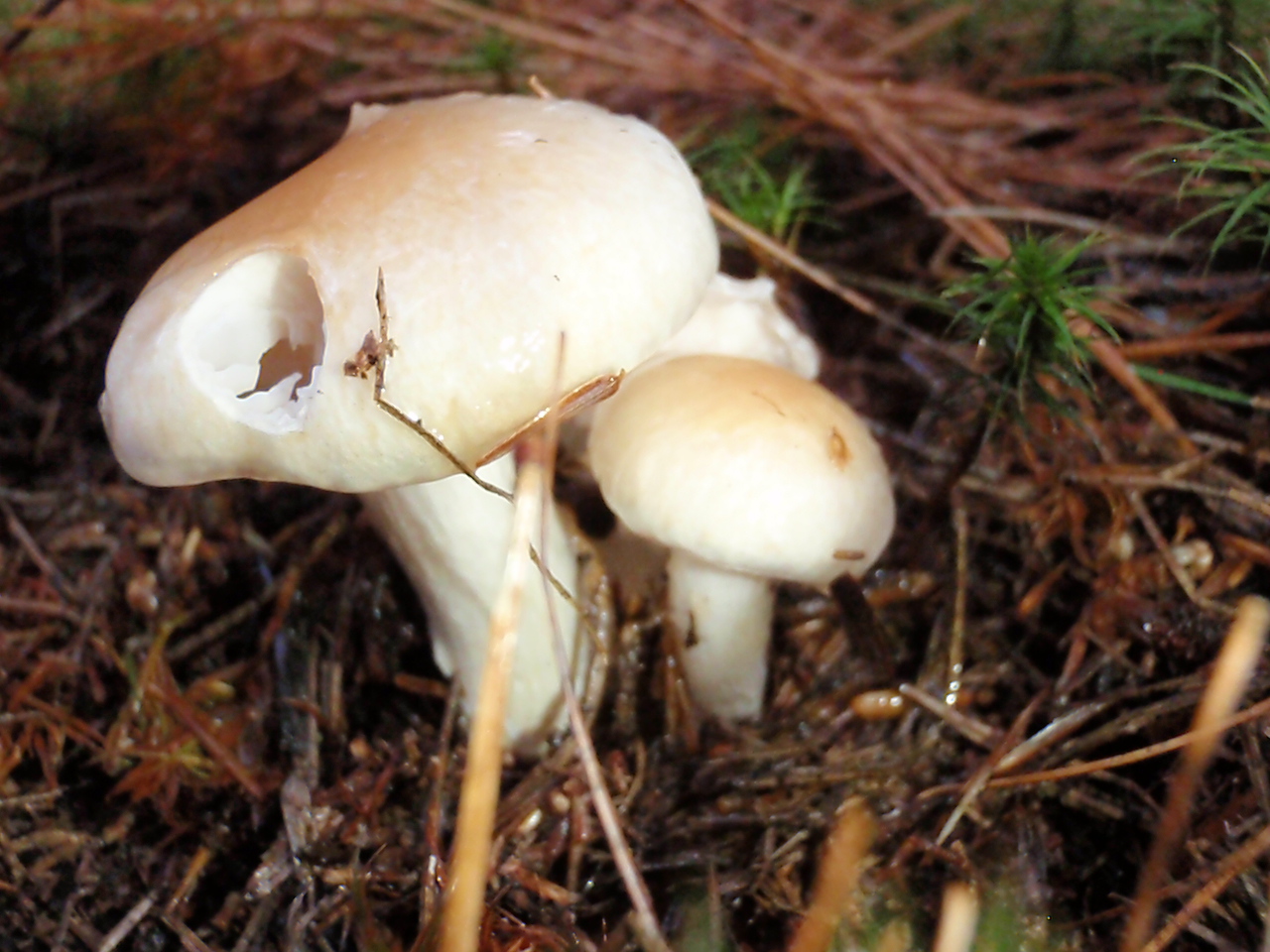
Monday, November 30, 2009

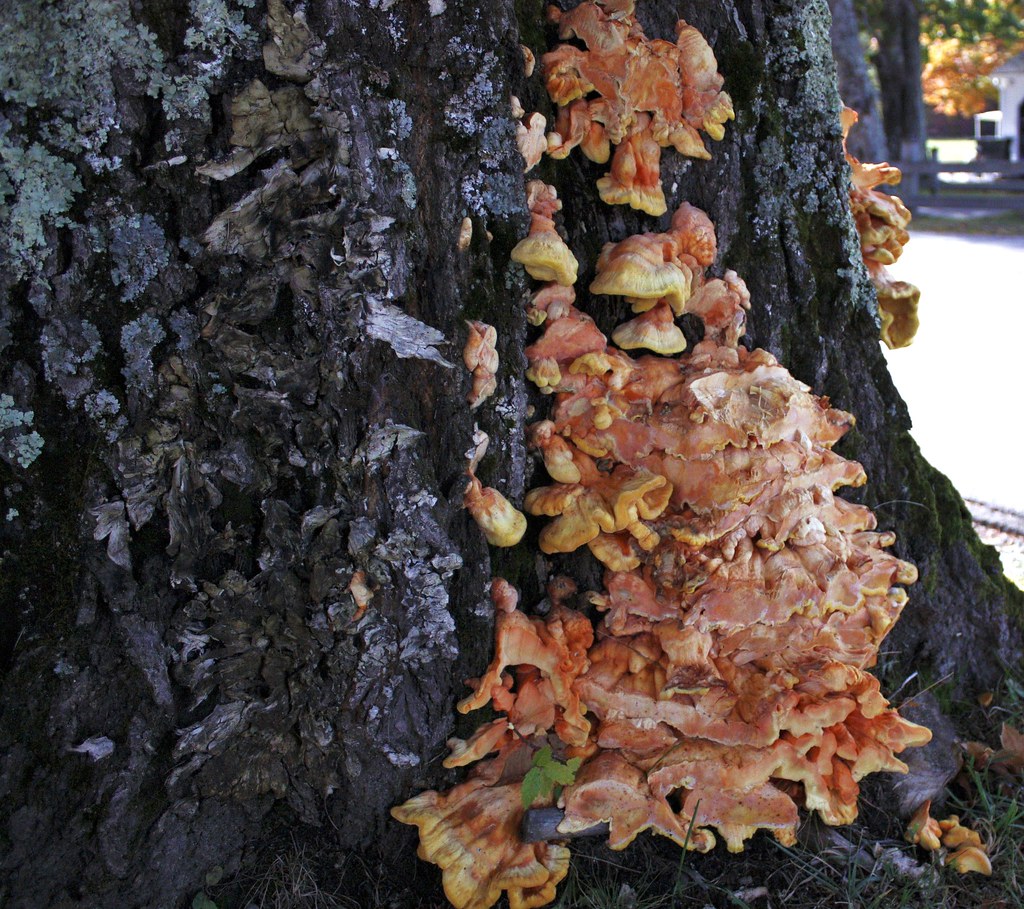
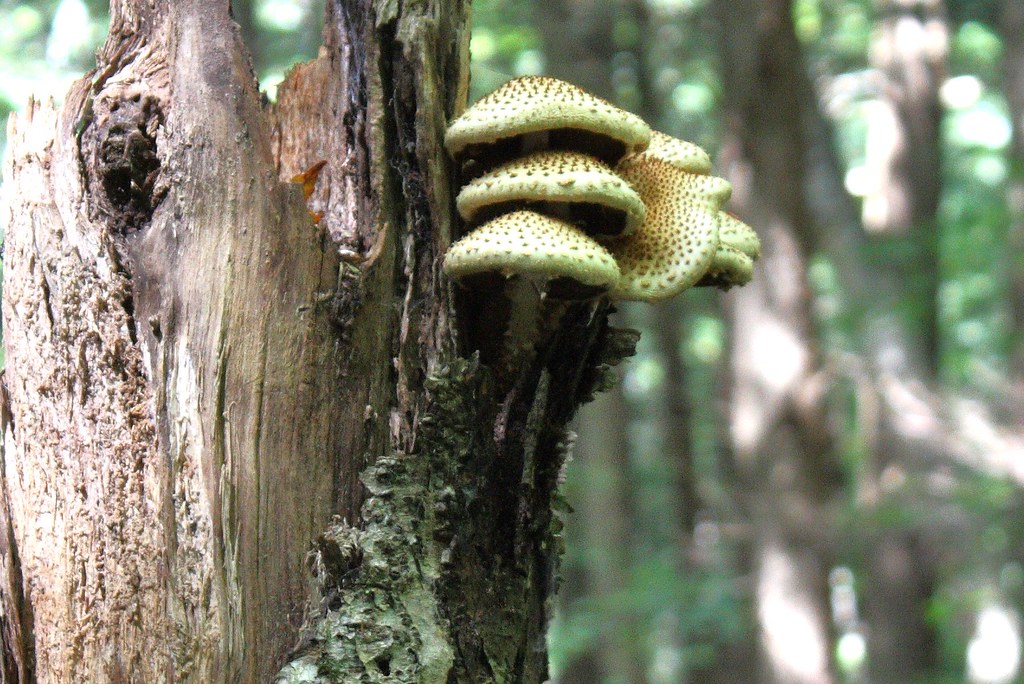
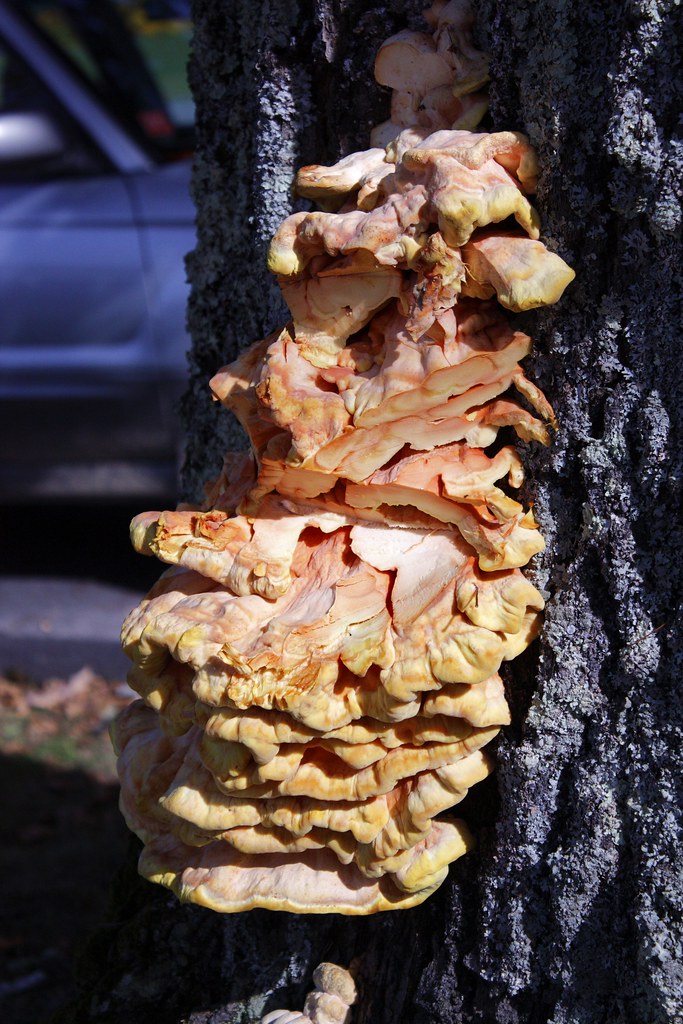
Sulphur Shelf Mushroom

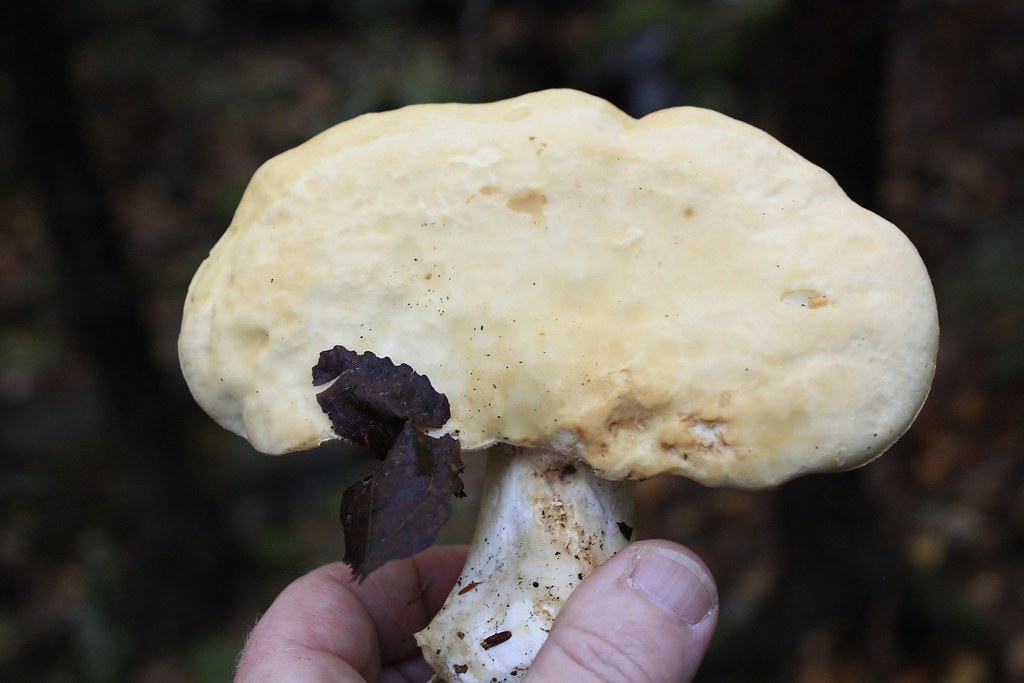
This mushroom is also called Chicken Mushroom or Polyporus sulphureus. John picks his from this tree when he runs out. Several other people also use this tree as a source. The fungus pours out of the wound in the oak tree at one of the golf courses. He dries and grinds the mushroom and puts it in a shaker. He uses the powdered mushroom in sauces, gravies and casseroles.
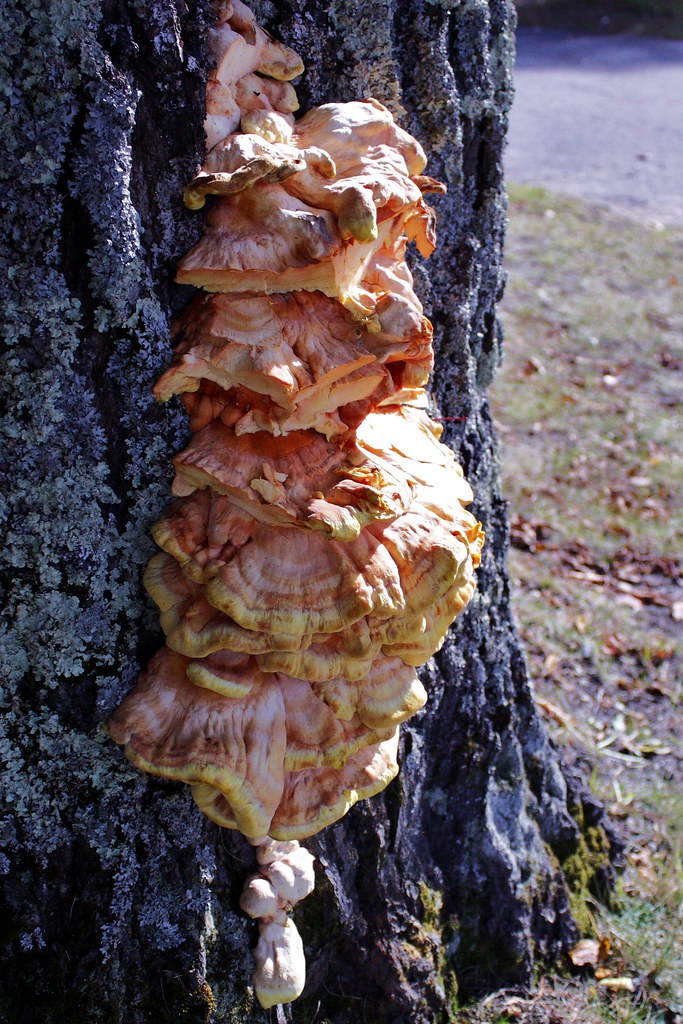
Laetiporus sulphureus

Technorati Tags: Del.icio.us Tags: Flickr Tags:

diigo it

_/\_/\_

Friday, November 27, 2009

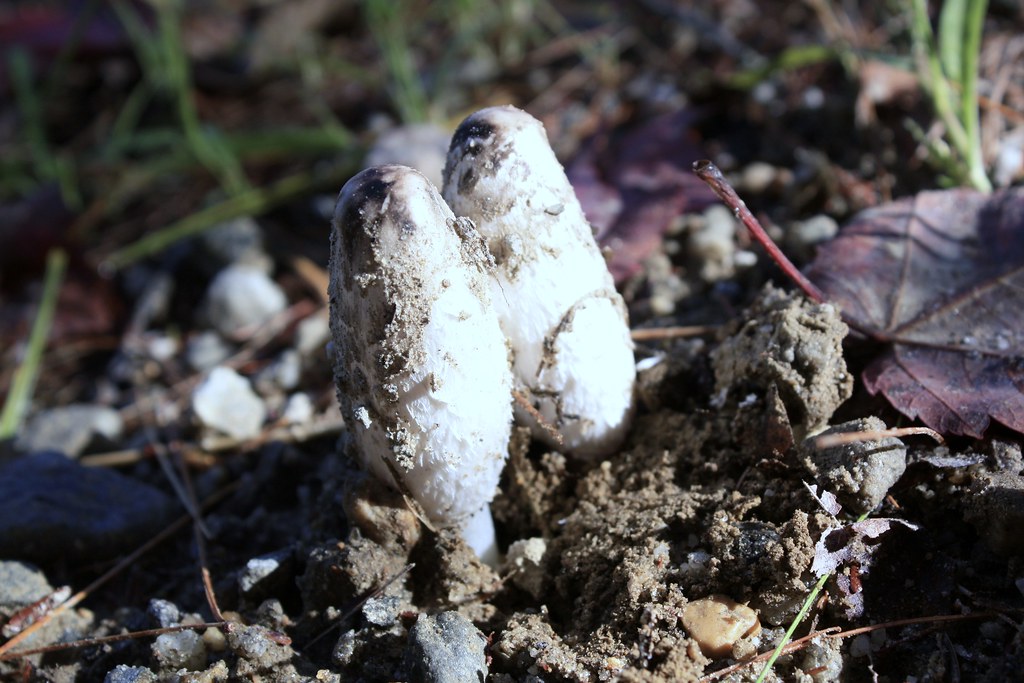
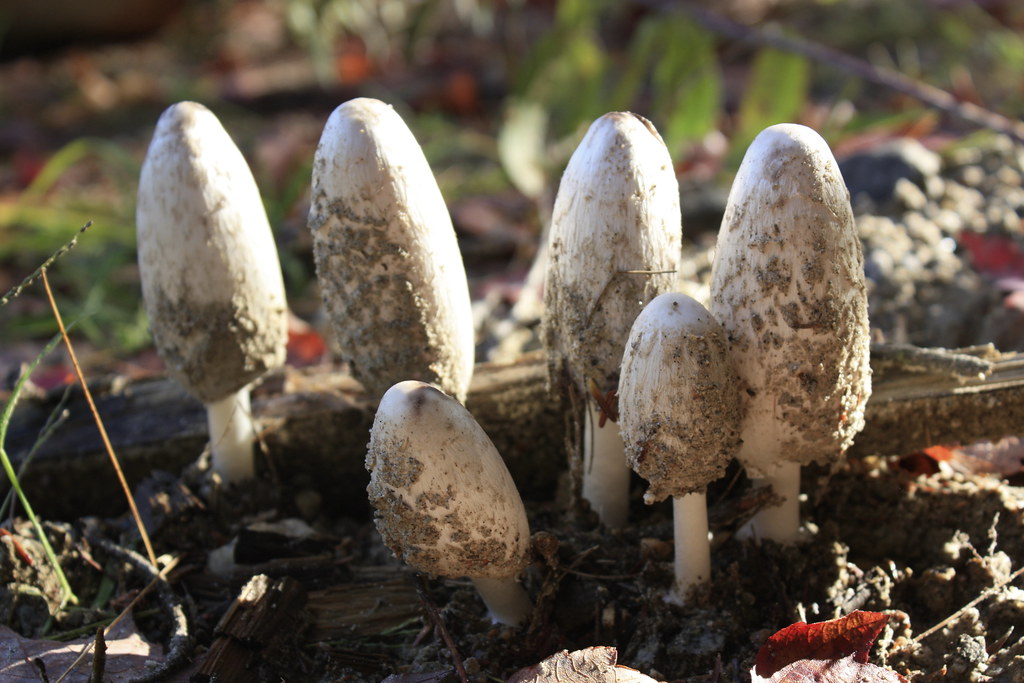
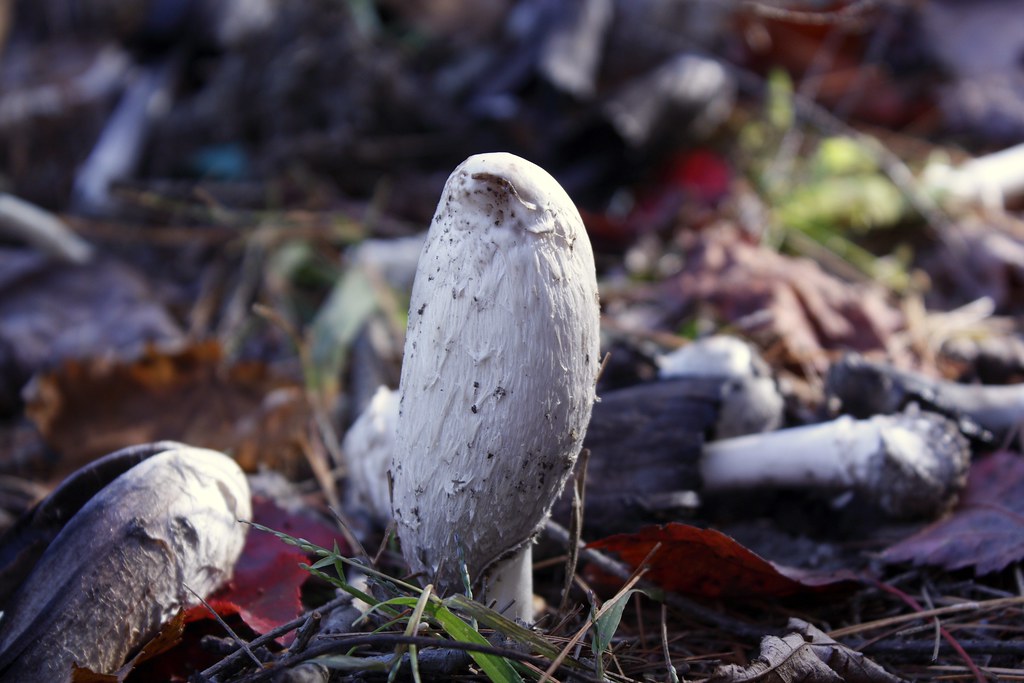
Shaggy Ink Cap Mushrooms

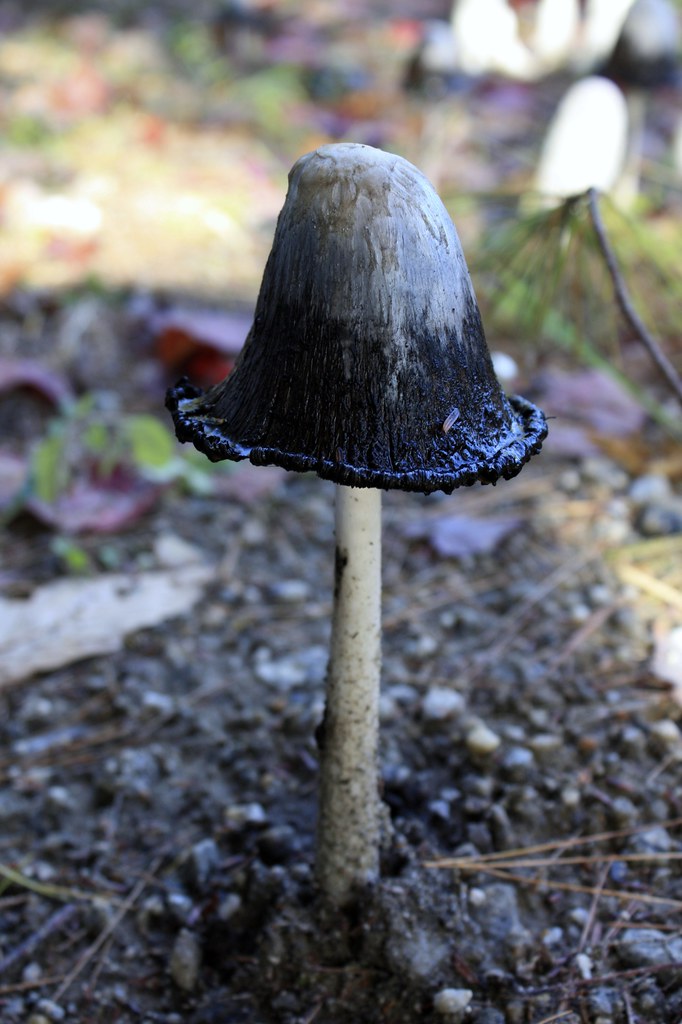
We found this area of shaggy ink cap mushrooms growing at the dump. They are fascinating. They are both edible and used for ink. The photo above shows the group of them. As you scroll down you will see the various life stages of the mushroom, from when they pop through the sand until they mature and turn into inky blobs.


Coprinus comatus


Technorati Tags: Del.icio.us Tags: Flickr Tags:

diigo it

_/\_/\_
My Buddy

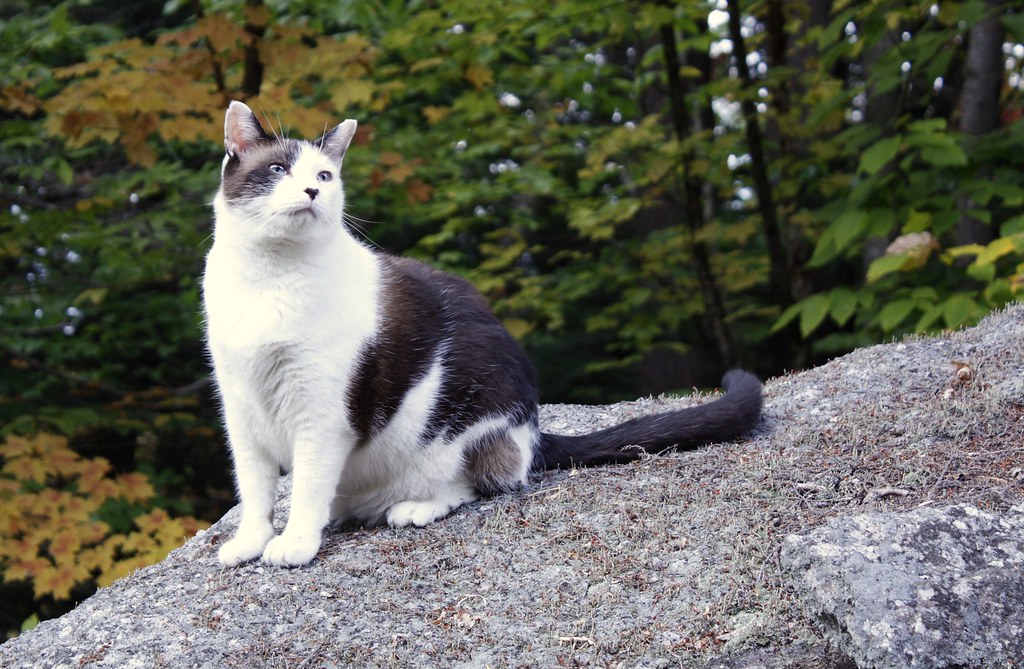
This is my cat, Buddy. He lives for hiking with John and me. He always climbs every boulder and nearly every tree. He's such a handsome guy!


diigo it

_/\_/\_
Four Mushrooms & Fungi

(Hydnum repandum)
Wood hedgehog mushroom. Also called wood urchin.
Edible and popular in European markets.
It has spines, not gills (see below).


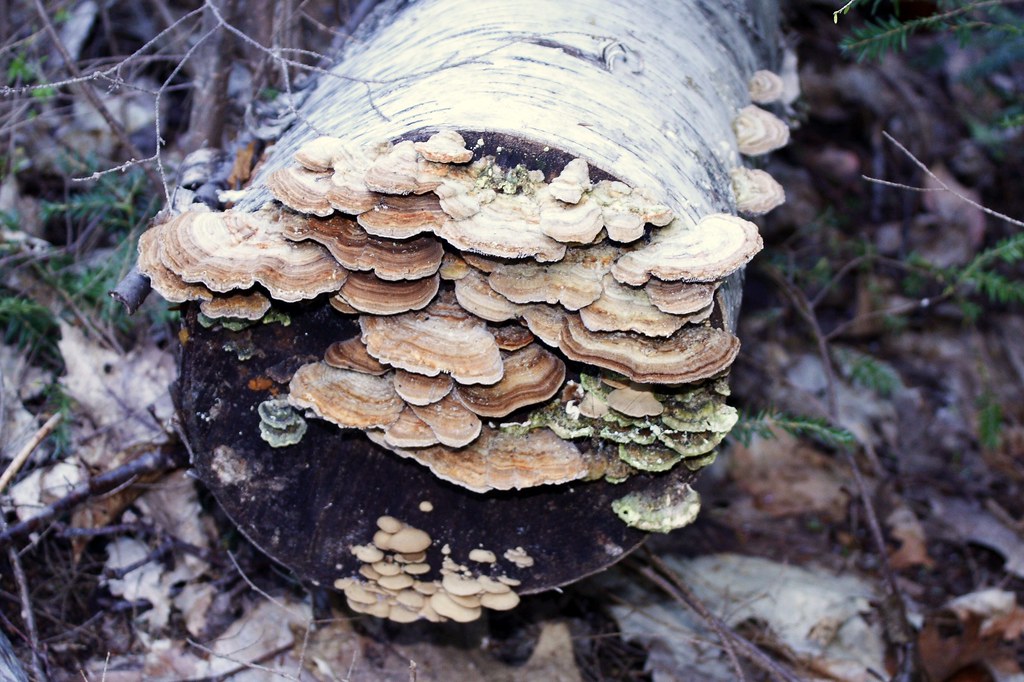
Coriolus bracket fungi on rotting birch log.

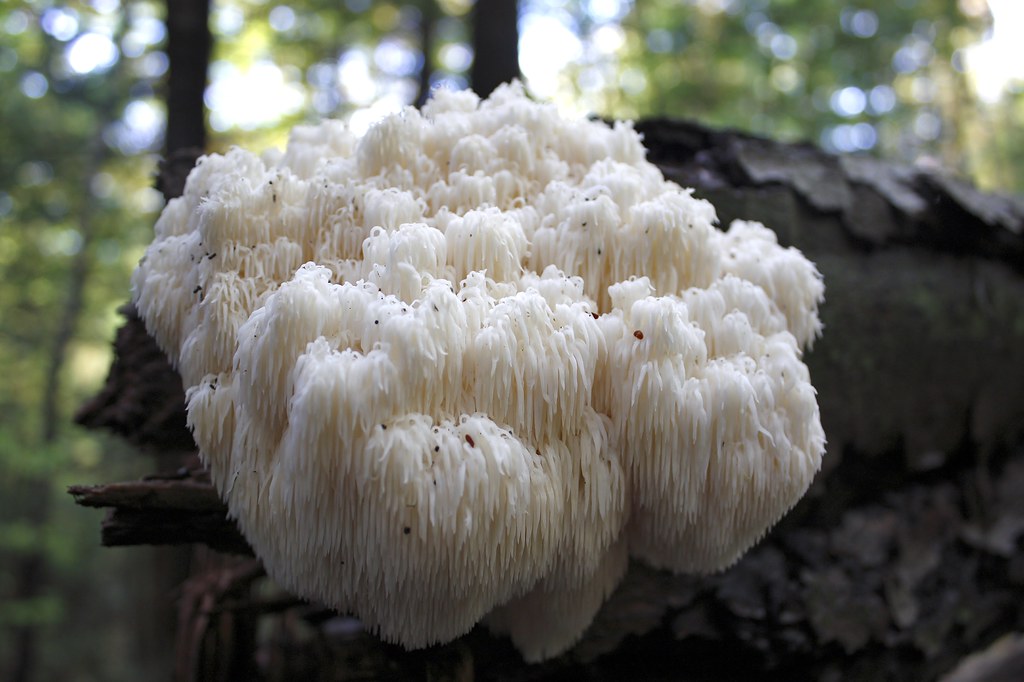
One of my favorites, above: Hericium fungus. Either flagellum or abietus.

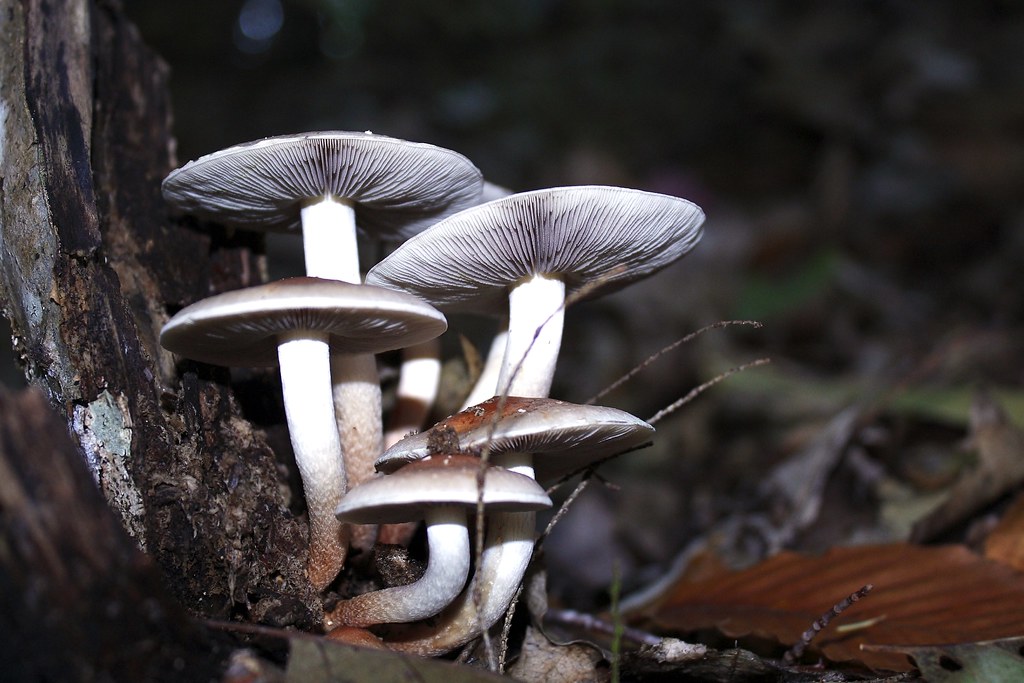
Winter mushroom (Flammulina velutipes)


Technorati Tags: Del.icio.us Tags: Flickr Tags:

diigo it

_/\_/\_

Some Mosses & Lichens

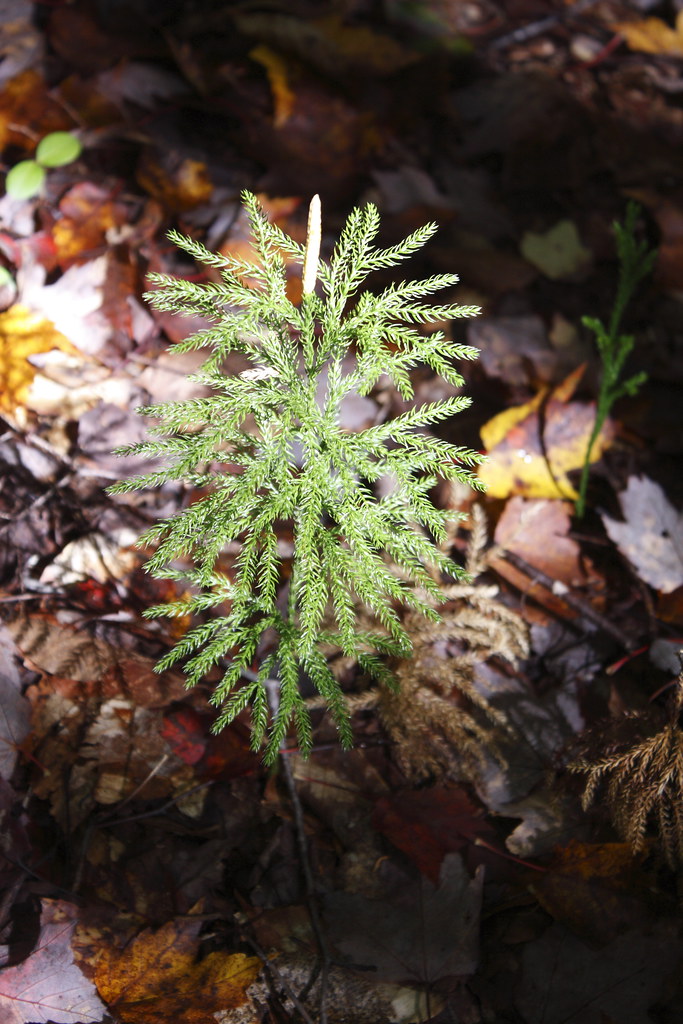
Treelike Club Moss (Lycopodium dendroideum)

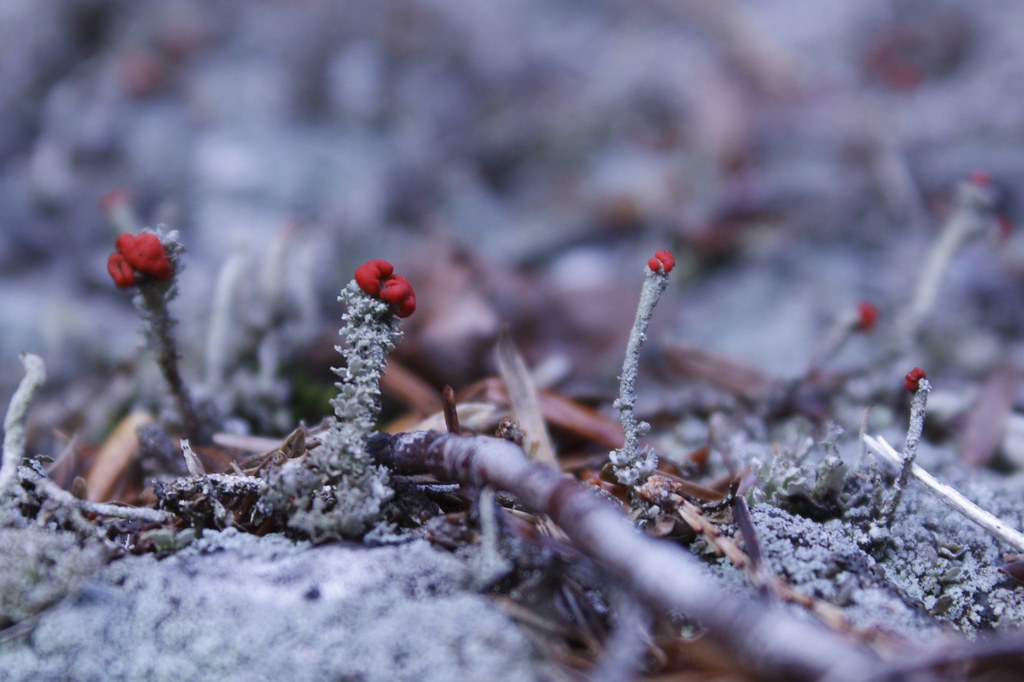
British Soldier Lichen (Cladonia cristatella)

Reindeer moss (also called reindeer lichen). Cladonia portentosa or Cladonia rangiferina.

Alpine Lichen (Cetraria nivalis)

Clubmoss on FoodistaClubmoss

Technorati Tags: Del.icio.us Tags: Flickr Tags:

diigo it

_/\_/\_
Monday, November 23, 2009

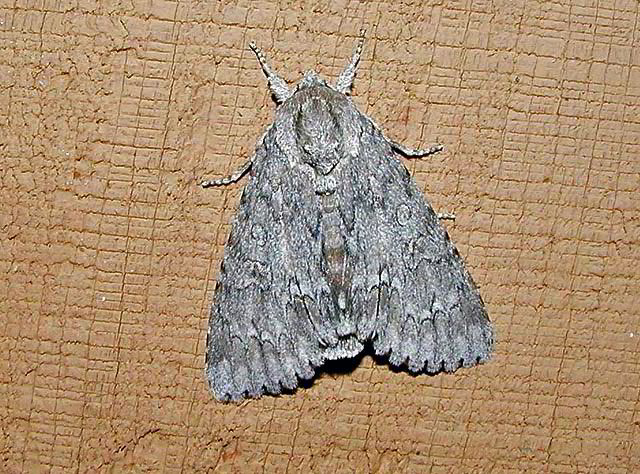
Pigeon Horntail

Tremex columba

This wasp does not sting. The "stinger" on the end of it is actually an ovipositer that the female uses to drill into a tree in order to lay eggs in the wood. It hurts the tree, but not enough to kill it. Usually the trees that the horntail chooses are already damaged. There are about 22 Tremex species in the world, but only one in North America and John found it and we photographed it! A good article on these creatures can be found at enature.com.


Technorati Tags: Del.icio.us Tags: Flickr Tags:

diigo it

_/\_/\_

Six Mushrooms

Amanita solitaria

American Pine Mushroom (Armillaria ponderosa)

Crystoderma granulosum mushroom

Lactarius deliciosus (Saffron Cap Mushroom)

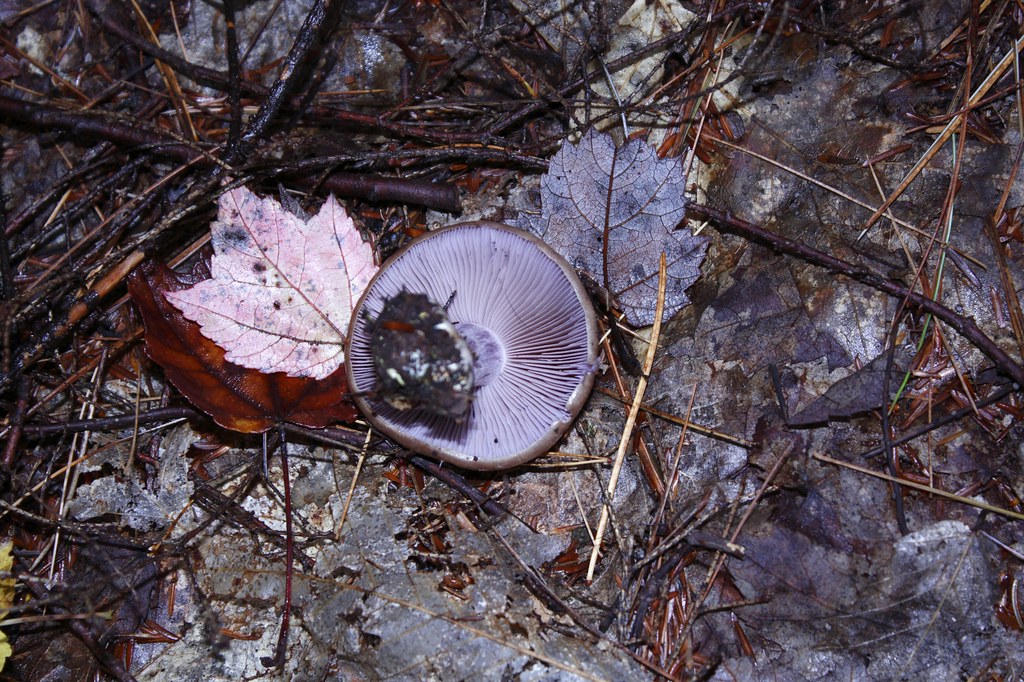
Russula cyanoxantha

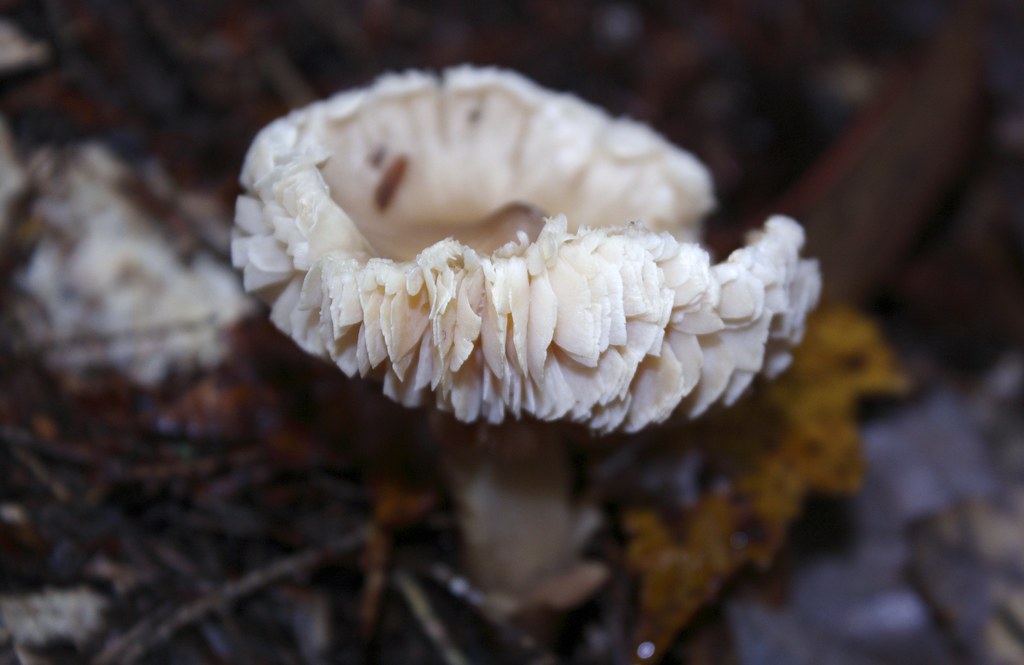
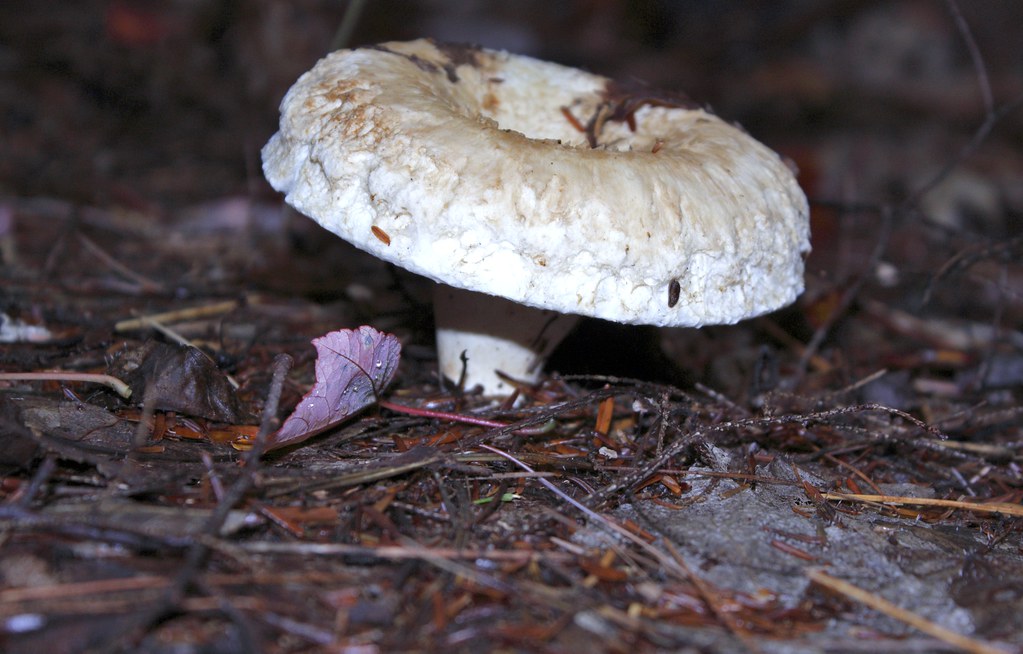
Clitocybe mushrooms


Mushrooms of New England Collection

Technorati Tags: Del.icio.us Tags: Flickr Tags:

_/\_/\_

Sunday, November 22, 2009

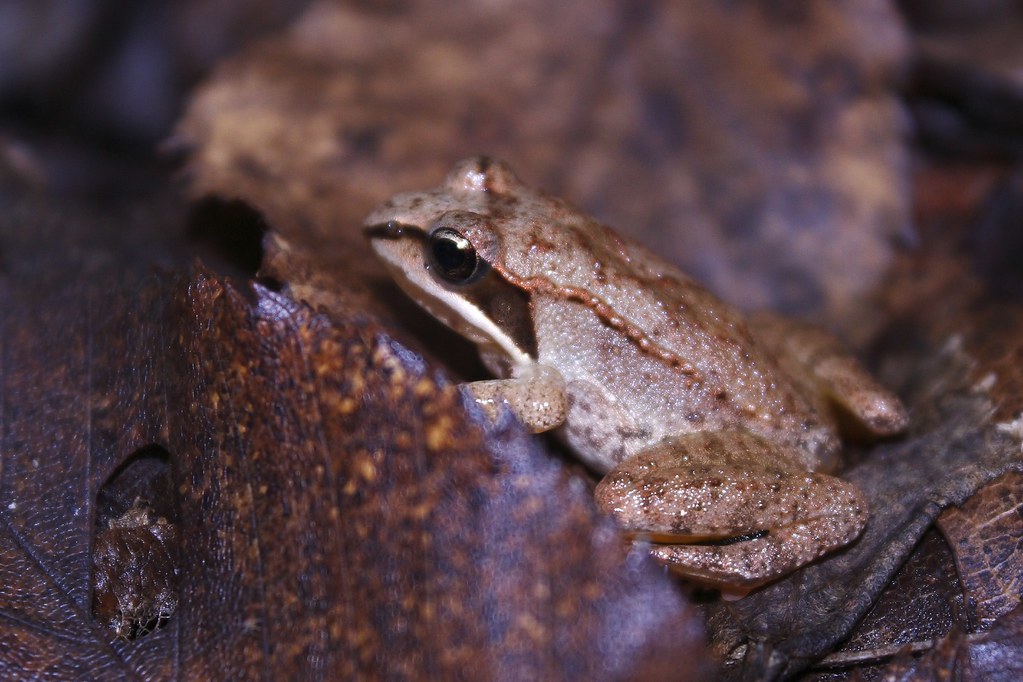
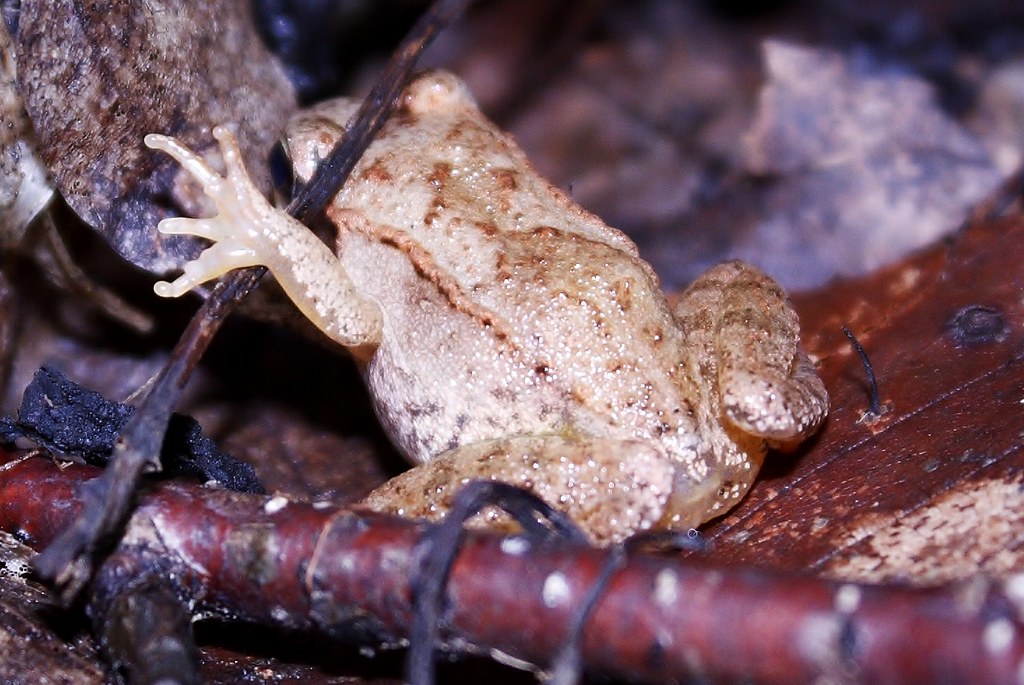
Wood Frog

I learned quite a bit from John while photographing this tiny frog. We had been having problems on each hike photographing wood frogs. If we captured a wood frog, they hopped about so quickly in John's or Wingnut's hands that I couldn't focus properly. And they are so quick as they hop away from you on the ground that I could never get a good photo.

On this hike, John stood off to the side of me and the frog and took its attention away from me and on to him. In this way, the frog thought that John was the one to avoid and ignored me. I was able to crawl on my knees very close to him and got many good shots (see the link to the wood frog set below). I would never have thought that this would be possible with a frog. I actually had to make very small movements to persuade the frog to change position so that I could get varied shots!

Rana sylvatica

Love these feet!


Technorati Tags: Del.icio.us Tags: Flickr Tags:

diigo it

_/\_/\_

LinkWithin

Related Posts with Thumbnails