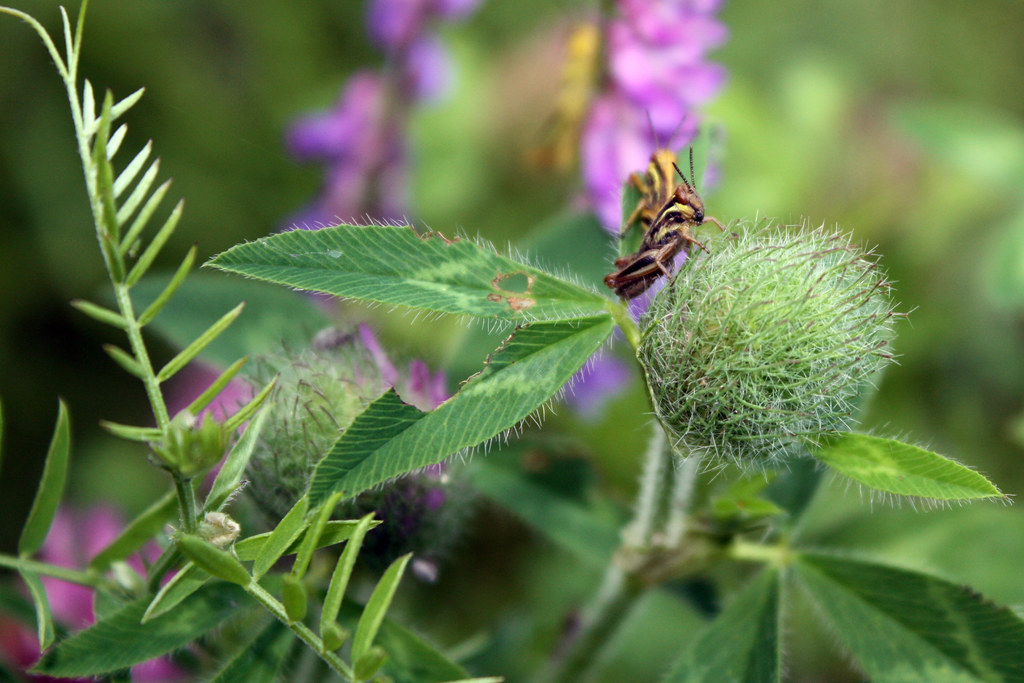
 The fields are covered with these grasshopper nymphs. The flock of turkeys has grown to three hens and at least 10 chicks because of the abundance of food. I have asked bugguide.net for help in identifying the grasshopper.
_/\_/\_
The fields are covered with these grasshopper nymphs. The flock of turkeys has grown to three hens and at least 10 chicks because of the abundance of food. I have asked bugguide.net for help in identifying the grasshopper.

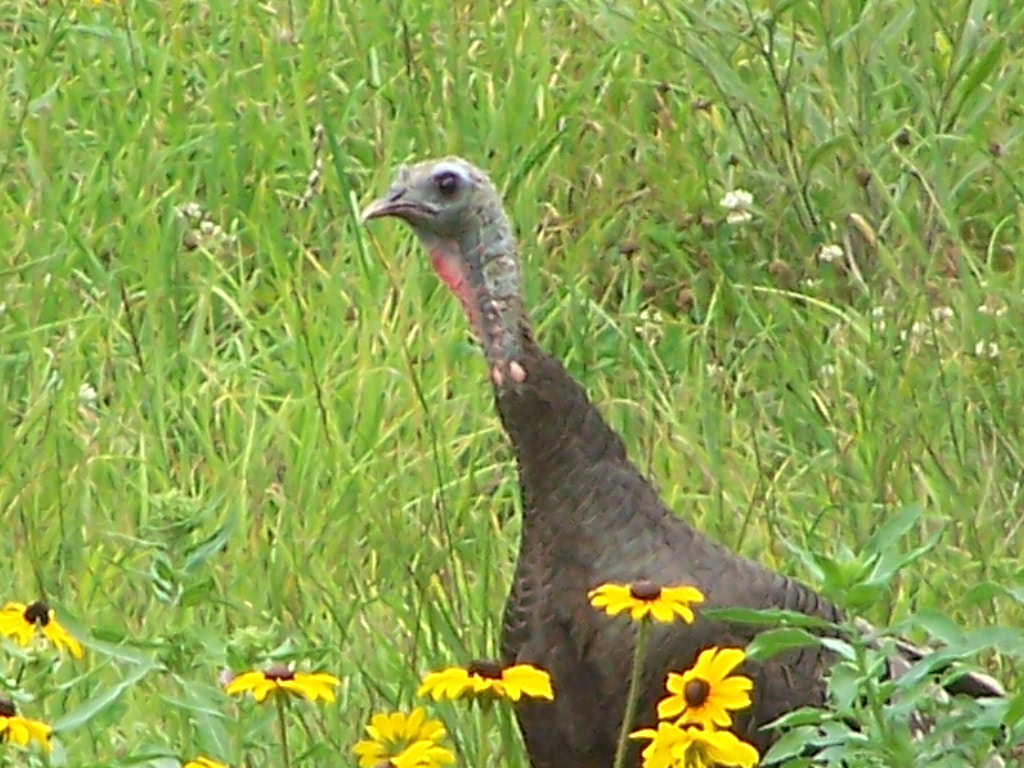
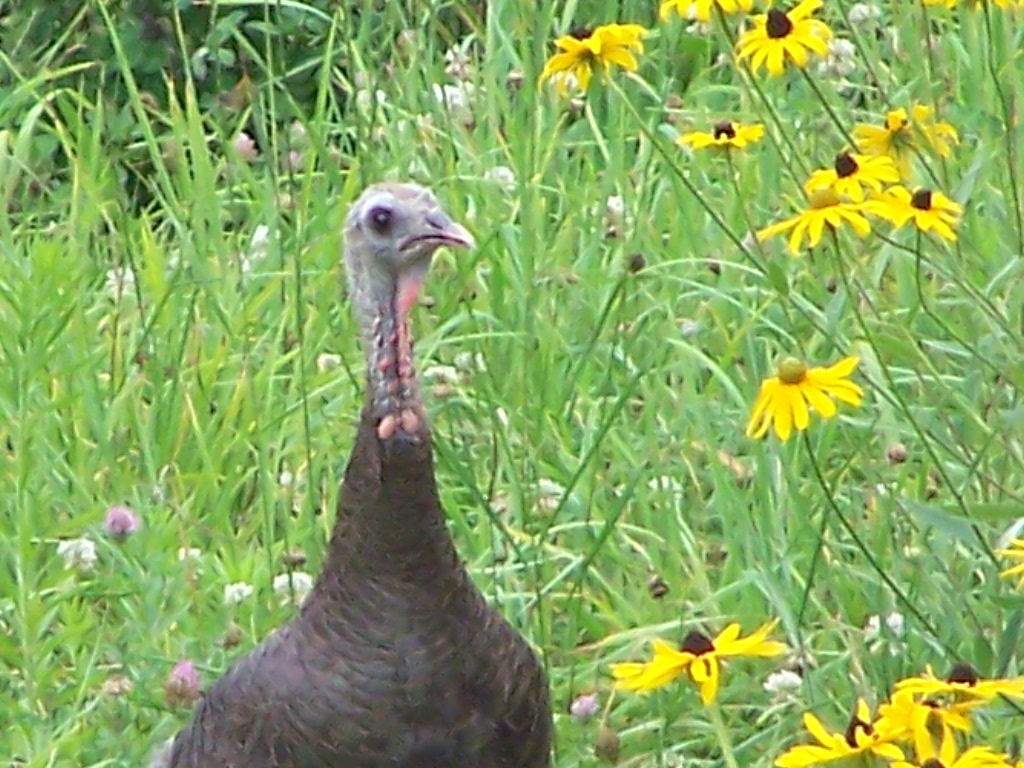 After sitting for hours on the porch with the Kodak on a tripod (my Canon was being dried out, but more on that later), one of yesterday's hens came close enough for this shot. I never realized how, well, unattractive turkeys are!
 We took a short hike around Morey's Pond and found a view of Mt Kearsarge (2,937 ft or 895 m). Just a bit taller than my Barton Mountain (2235 ft or 681 m). Kearsarge's prominence is 2,000 feet (610 m), but Barton Mountain's prominence, especially at my house in Vermont, is only 800 feet (244 m) in some places. Someday this summer we have to hike up this mountain. The prominence at Morey's Pond is obviously not too high. At Morey's Pond we saw salamanders, frogs, blueberries, the fruit of lily of the valley, beaver dams, human dams and many other wonderful sights.
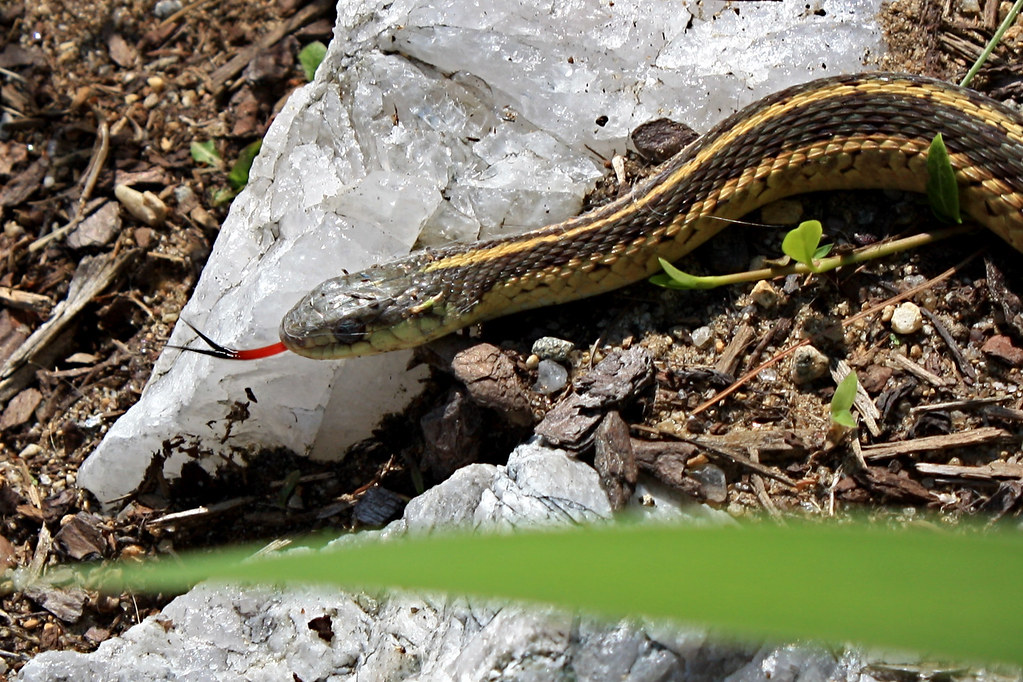 We came home to find Buddy the Cat being all excited with this snake. Since the snake was trying to bite Buddy (and even though garter snakes are not poisonous, they can inflict a hefty vet bill) we persuaded Buddy to not injure the snake. Buddy stood by, watching, while I photographed the encounter.
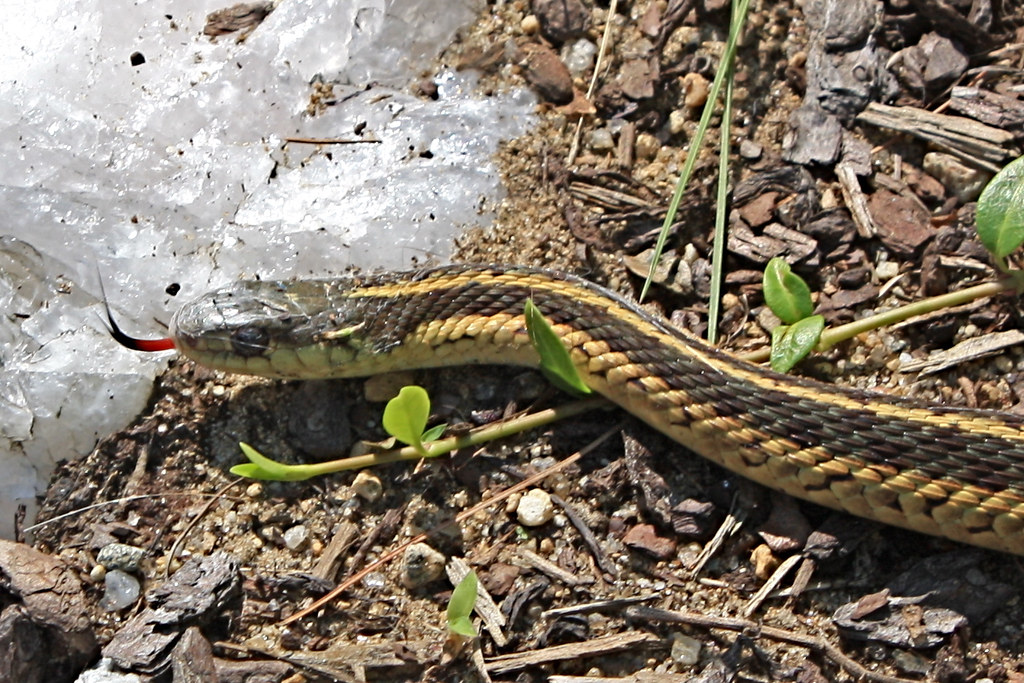 NH Conservation Status: Not listed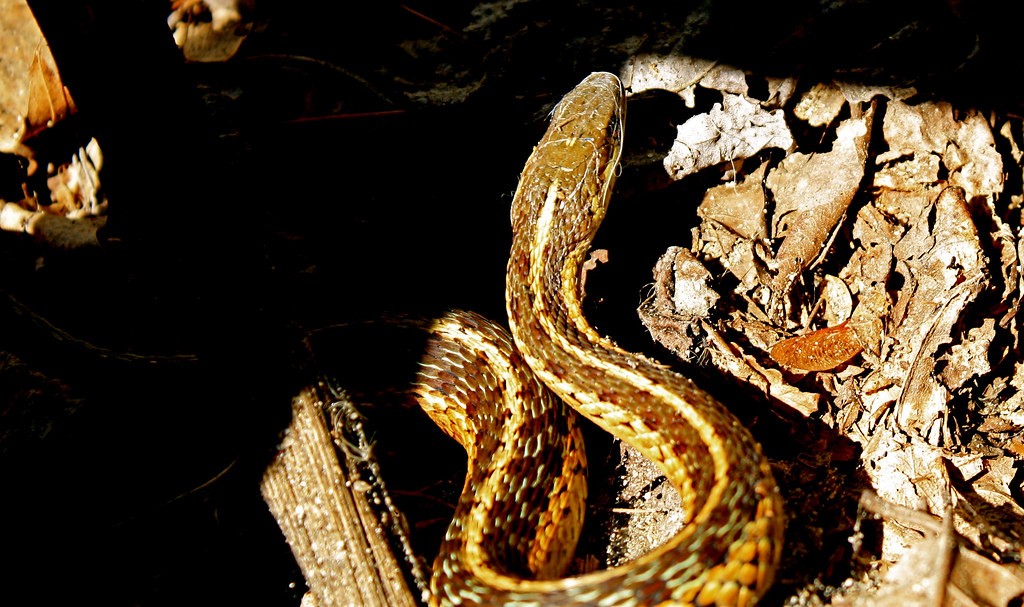
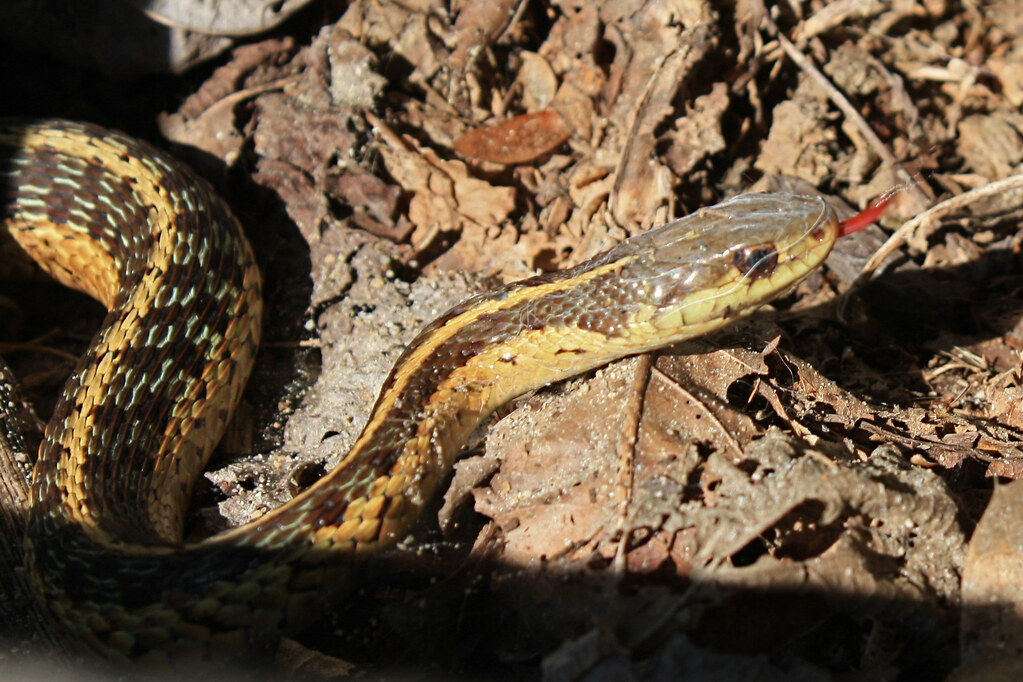
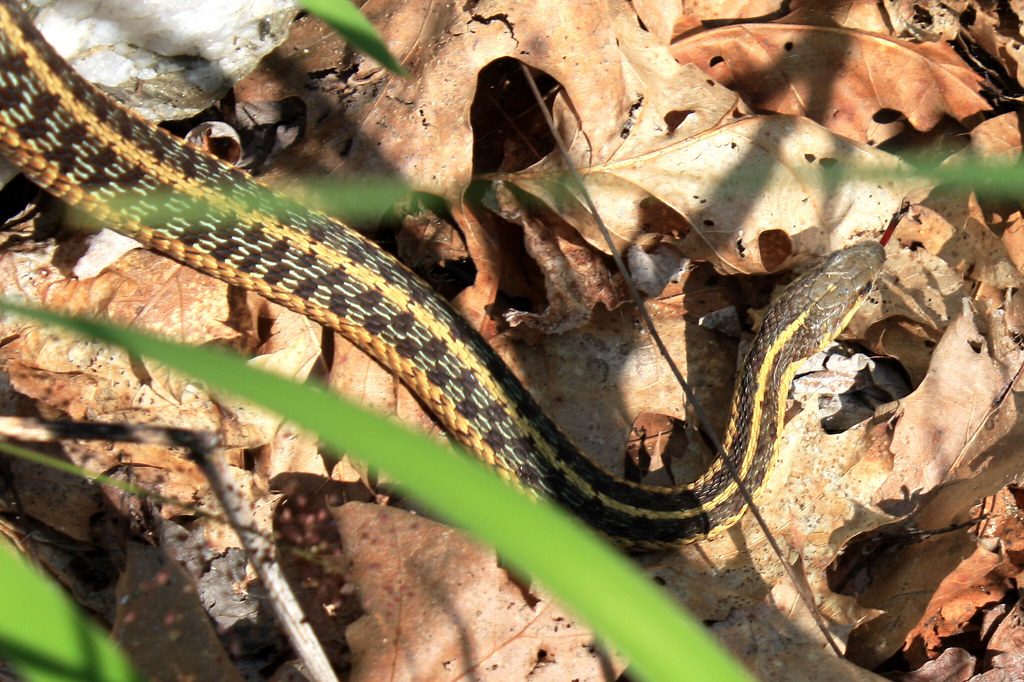 Thamnophis sirtalis
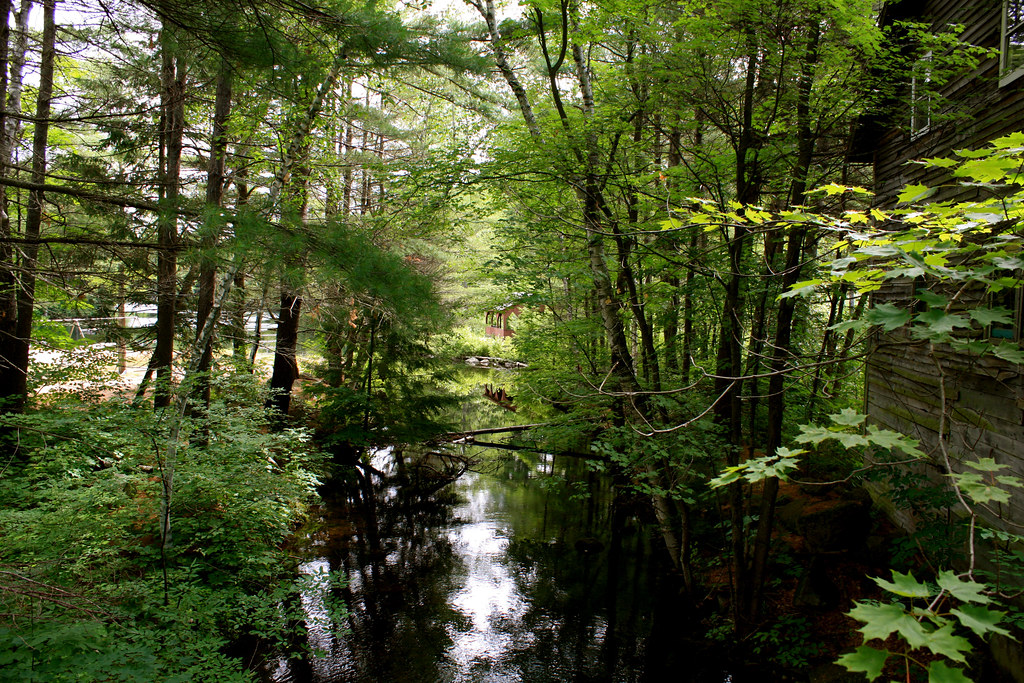 Pond Outlet. The beach and pond can be seen through the trees on the left.
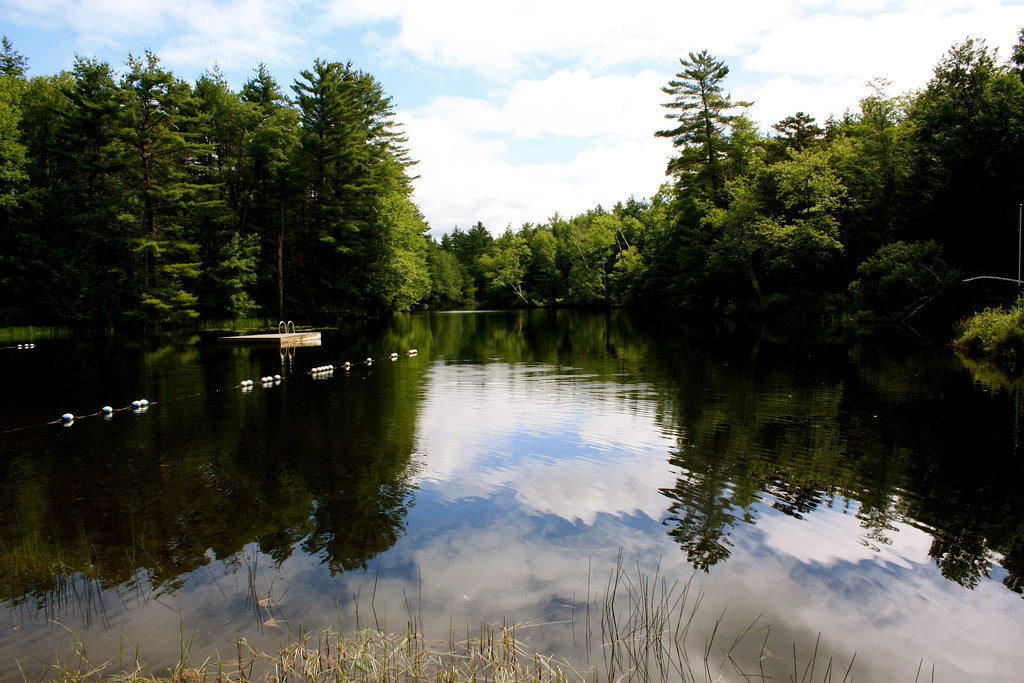 Wilmot, New Hampshire
The Blackwater River flows across the road from where I now live in New Hampshire.
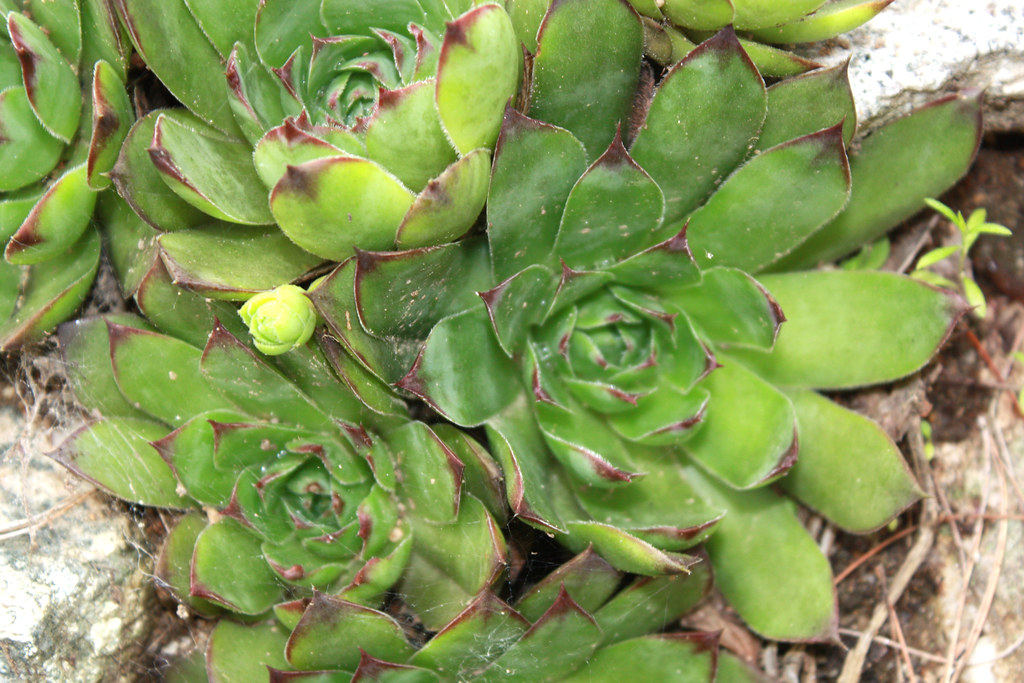 Hens and Chicks (Sempervivum tectorum)
 Buckwheat (Fagopyrum esculentum)

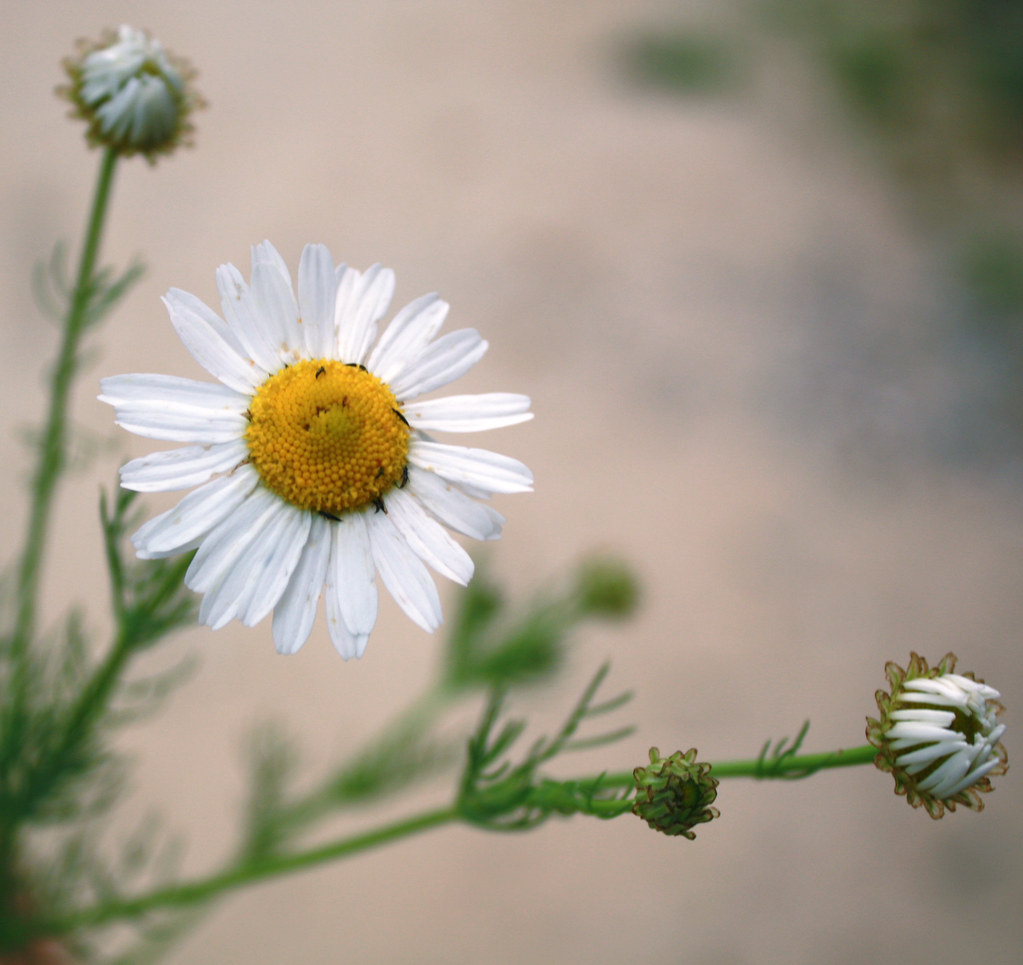 We can't find this identified anywhere. In the early spring it began to grow wild in the garden. I described it then as "Lacy, feathery — like fennel.. Root: short carrot-like tap root. Frost resistant. Pops up in early New Hampshire spring. No scent to the leaves when crushed.. Has daisy-like white flowers with yellow centers. Grows about 3 feet (1 meter) tall. Or taller."
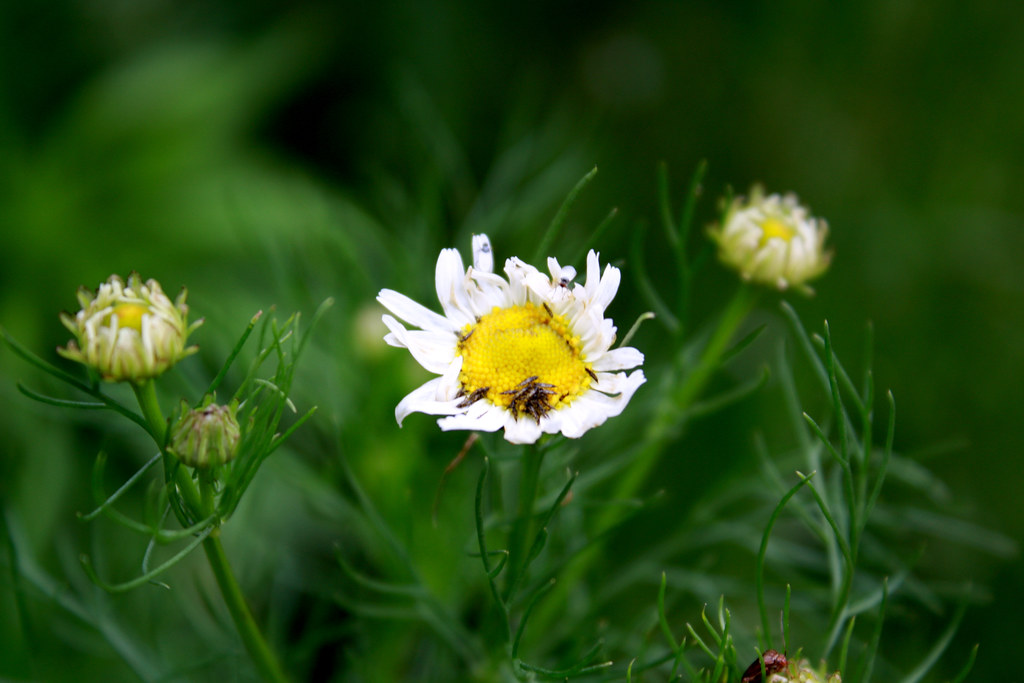 Below is the photo from the spring before it bloomed:
 Sheep Laurel (also called Lambkill) (Kalmia angustifolia)